| Moss & Liquens | Ferns | Conifers | Flowering plants |
| Non woody. First plants to colonize Earth. An area where there are moss & lichens it is a clean area. The least moss and liquens there are, the most polluted its the area. |
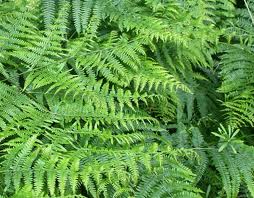
They reproduce by spores. Unlike mosses, they have xylem and phloem (making them vascular plants). They have stems, leaves, and roots like other vascular plants. Ferns reproduce via spores and have neither seeds nor flowers. |
Plants that produce cones. They tolerate cold thanks to the resine. Pinophytes are gymnosperms. They are cone-bearing seed plants with vascular tissue; all extant conifers are woody plants, the great majority being trees with just a few being shrubs. |
They propagate by flowers. They evolved when insects appeared. They were the last group to appear in Earth. |
Showing posts with label fern. Show all posts
Showing posts with label fern. Show all posts
Groups of plants

Pterophyta - Fern
  |
|
Pteridium esculentum - Bracken
  |
|
Subscribe to:
Posts (Atom)